Iran calls for inclusive global governance
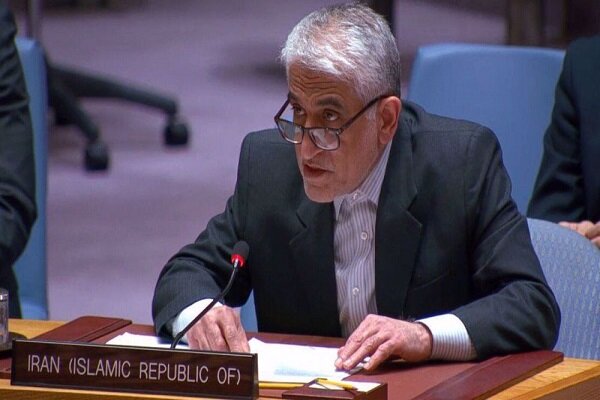
TEHRAN - Iran’s Ambassador and Permanent Representative to the United Nations, Amir Saeid Iravani, has called for a more representative and equitable system of global governance while warning against unilateralism, coercive policies, and violations of international law during two high-level meetings at the United Nations in New York.
Addressing a meeting of the Group of Friends of Global Governance on May 28, Iravani said the international community is facing not only multiple global crises but also a growing crisis of trust and legitimacy in the current global order.
The envoy criticized “the increasing replacement of genuine multilateralism with unilateral approaches,” saying sanctions, coercive measures, tariffs, and protectionist policies have undermined international cooperation and deepened instability across the world.
“Our world is witnessing dangerous contradictions: unilateralism instead of genuine multilateralism; confrontation instead of cooperation; sanctions, coercive measures, tariffs, and protectionist policies instead of dialogue, diplomacy, and fair trade,” Iravani said.
He argued that selective approaches to international law, unequal participation in global decision-making, widening financial inequalities, climate challenges, and persistent conflicts have had particularly severe consequences for developing countries.
Iravani also referred to the recent US-Israeli war of aggression against Iran as an example of weakening multilateralism and declining respect for diplomacy and international law.
“At a time when Iran was actively engaged in negotiations and diplomatic engagement, it became the target of military attacks and acts of aggression,” he said.
The Iranian ambassador stressed that genuine global governance must be based on respect for international law, sovereign equality, the peaceful settlement of disputes, and the principles of the United Nations Charter.
He further called for reforms in international economic governance, fair access to technology and financial resources, climate justice, digital equity, and sustainable development, particularly for developing nations.
“Global governance must become more representative, inclusive, and respectful of the sovereignty and development priorities of all countries,” he added.
In a separate address during a high-level open debate at the UN Security Council titled “Upholding the Purposes and Principles of the UN Charter and Strengthening the UN-Centered International System,” held on May 26, Iravani warned that the principles of the UN Charter are increasingly being undermined by unilateralism, coercive measures, and double standards.
He specifically accused the United States of repeatedly violating international law through actions against countries including Iran, Venezuela, and Cuba.
“Recent unlawful and aggressive actions undertaken by the United States against Venezuela, Iran, and now Cuba reflect a dangerous and continuing pattern of coercion, intimidation, and interference in the internal affairs of sovereign states,” Iravani said.
Leave a Comment